Keep watch
Pastors, spiritual directors, administrators, parents — people responsible for other people. Every product exists so that no one quietly drifts out of sight.
A small software studio run by a working pastor — building the platforms that help leaders keep watch over their people, every day, one person at a time.
It isn't decoration on the coastline. Someone climbs the stairs every evening because there are people out on the water whose names the keeper will never know — and the light has to be on anyway. That is the job we build software for.
Pastors, spiritual directors, administrators, parents — people responsible for other people. Every product exists so that no one quietly drifts out of sight.
The work of care is invisible until it fails. Care that lives in one person's memory — or one color-coded spreadsheet — leaves when they do. Our software brings it into the light, where a whole team can carry it.
Every product here began as a tool for the founder's own ministry and is run in real congregations and real practices before it's offered to yours. Shipping to your own people first keeps you honest.
Different buyers, different waters — the same conviction underneath: relationships are the point, and software should make room for them.
There is an eighth light on this coast. It isn't software — it's the keeper himself.
Inside the studio, every hull carries a chart name — instruments for finding your position in the dark, hours for keeping the watch. It started as a naming convention. It turned out to be the mission statement.
Navigation has never been about the instrument. It's about getting people home.
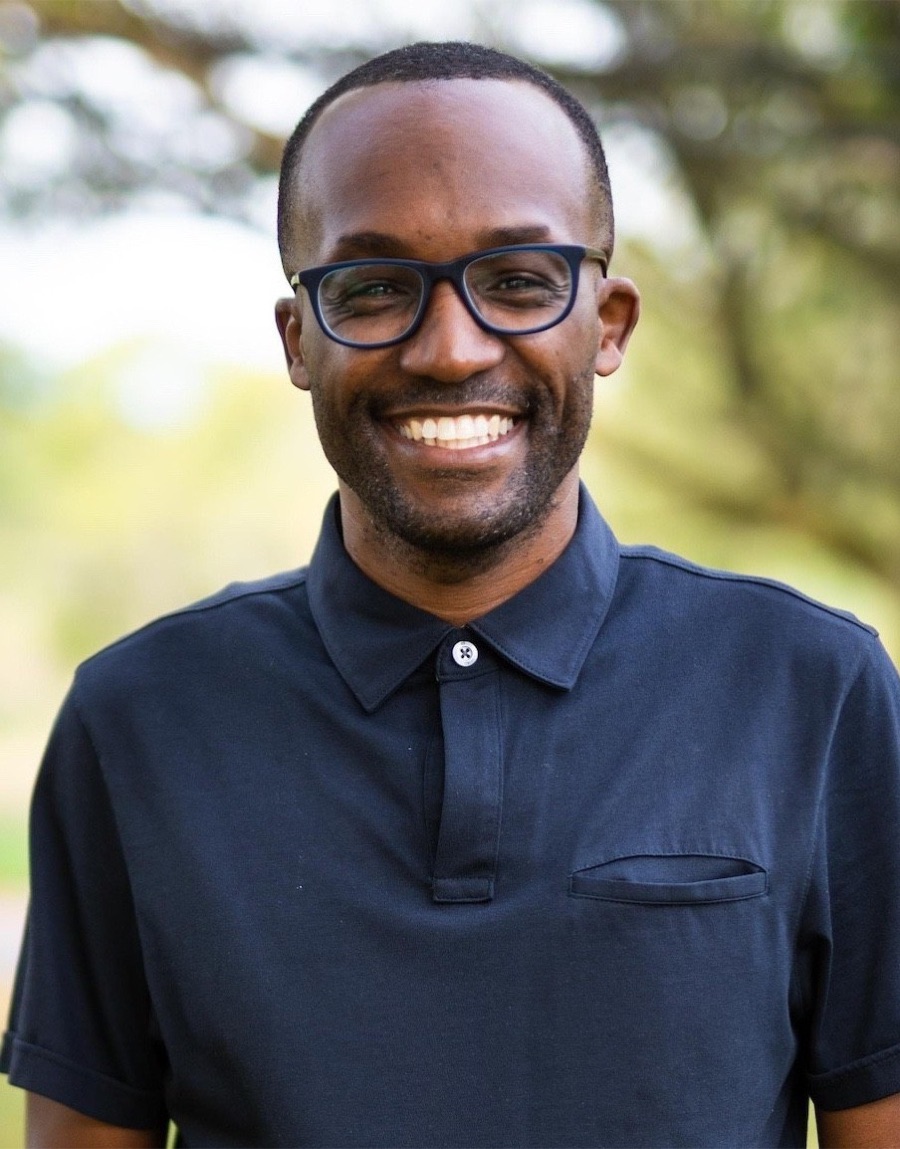
Digital Lighthouse Designs is Donnell Wyche — a pastor in Ann Arbor, Michigan, who kept needing software that didn't exist, and eventually stopped waiting for someone else to build it.
Every product in the fleet began as a tool for his own ministry: tracking care so it wouldn't fall through the cracks, keeping the hours of prayer, running the unglamorous machinery of a congregation. What worked was offered outward — to other churches, other practices, other families keeping their own watch.
The studio's rules are short: simple beats clever, tested beats promised, and shipping to your own people first keeps you honest.
Correspondence welcome · donnell.wyche@digital-lighthouse.com
The work of care is invisible until it fails. Good software daylights it — so the whole crew can carry what one keeper used to hold alone.
Not every light is software. Churches are steering into AI and modern operations through a crowded harbor of tools, with no pilot who has run these waters. Pilotage is a standing advisory relationship with Donnell — the same counsel the fleet itself is built from.
An AI and technology strategy your staff can actually run — where it genuinely helps your ministry, where it doesn't, and what to do first. Standing hours each month to think, plan, and decide together.
Modern operations instead of cobbled-together tools. One example: replacing a mega-church's scattered spend process with programmatic cards, expense policy, and bill pay on a platform like Ramp — set up in weeks, not budget cycles.
Counsel that can draw. When talk isn't enough, you get mockups, prototypes, and working designs from a builder who ships — so your team evaluates something real, not a slide.